Cultural Bites · № 01 · 5 min read
On the quiet ways we use a cup to say the things we do not say out loud
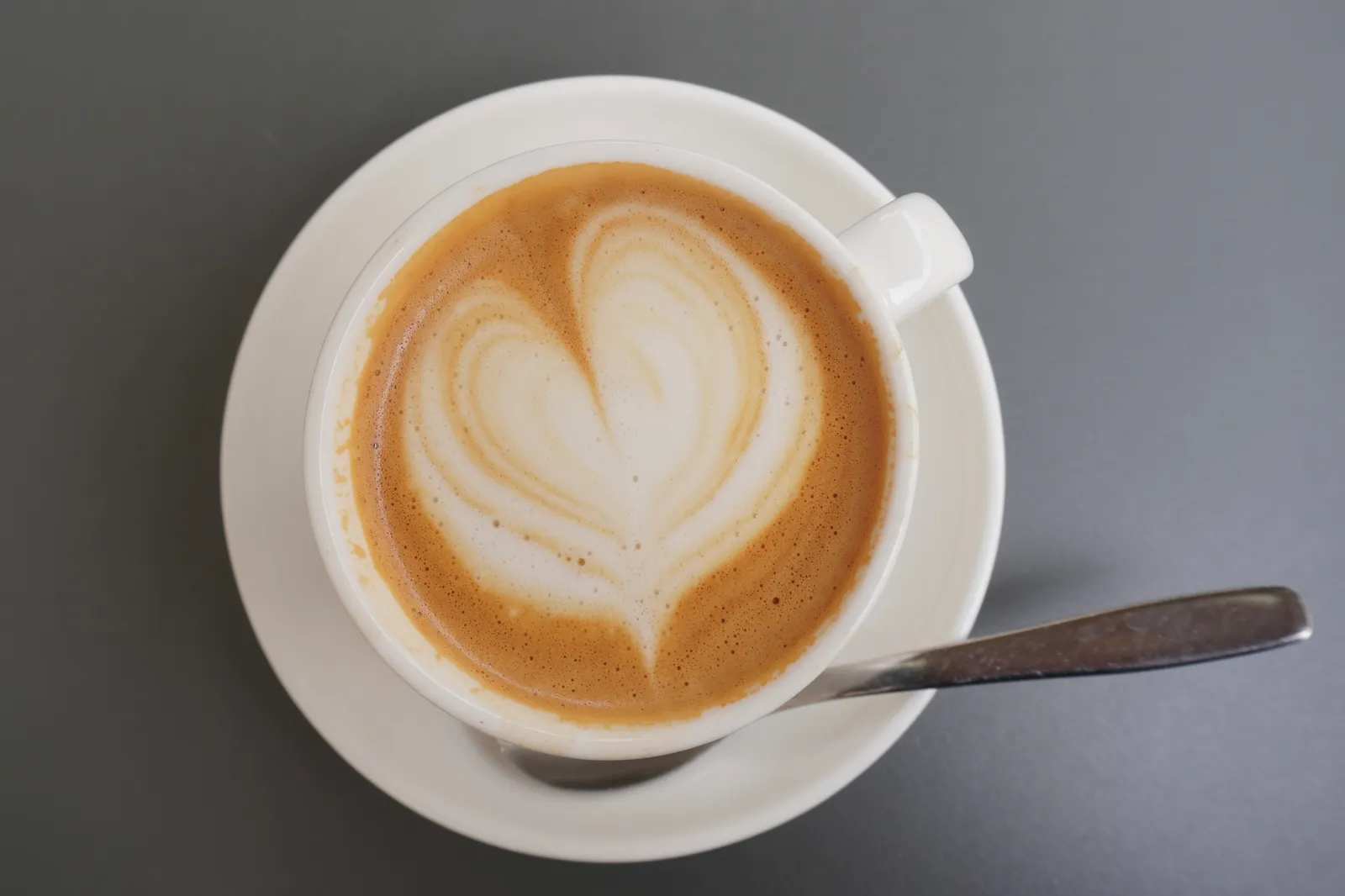
Nobody says, ‘I love you’. They say, ‘I made you a coffee’. They say, ‘I remembered how you take it’. They say, ‘stay’.
There is a language spoken in coffee shops and kitchen mornings and offices with bad filter machines that has never been written in any dictionary. It is the language of the cup and it is one of the most fluent ways humans have ever found to express care.
Think about the last time someone made you a coffee without being asked. Not in a restaurant, not as a transaction, but in a home, in a small space, by someone who noticed you needed one before you did. That gesture (the kettle, the beans, the specific temperature they know you prefer) is a sentence. A whole paragraph, actually.
“How do you take it?” is one of the most intimate questions a person can ask. The answer is a piece of autobiography.
The first cup
In every culture that has adopted coffee, the first cup of the morning carries the most emotional weight. In Italy, the espresso that a grandmother makes at 7am in a small moka pot is not just caffeine. It is continuity. In Ethiopia, the coffee ceremony that takes three cups and two hours is not a delay. It is a declaration that the person across from you is worth three cups and two hours.
In Turkey, there is a saying: a single cup of coffee shared creates forty years of friendship. In Japan, a hand-poured filter is a meditation on attention: the belief that what you give to the process is what the person receives in the cup. In France, the café crème a father buys his daughter on the way to school is the most unsentimental act of love on the street that Tuesday morning. The vessel changes. The meaning does not.
What we are really saying
Coffee is the great equaliser of affection. It works across languages, across relationships, across levels of intimacy. You can make a coffee for a stranger on a difficult morning and communicate something real. You can make a coffee for a partner of twenty years and communicate the same thing you said on the first morning. The gesture does not exhaust itself.
This is why, when we visit coffee shops for the club, we always ask: what do you want someone to feel when they walk through that door? The answers are never about taste. They are always about warmth. Safety. The feeling of being somewhere that is glad you came. They are, every time, a description of love expressed through the ritual of a cup.
The ritual is the message
The repetition matters too. It is not only the first coffee but the hundredth. The person who remembers that you stopped taking sugar three years ago. The barista who starts your order when they see you through the window. The ritual of the same cup, at the same time, with the same person: this is how care accumulates into something permanent.
We often talk about love languages in terms of words of affirmation or acts of service, as if these are separate categories. But the coffee belongs in both at once. It is an act of service that says something. It is a word, expressed in warmth and steam and the particular way someone hands you a cup.
The ritual of the same cup, at the same time, with the same person: this is how care accumulates into something permanent.
Next time someone makes you a coffee, let it land. They are not just offering caffeine. They are offering attention, memory, and a small deliberate act that says: I thought of you before I thought of anything else this morning.
That is love. Just served differently.
More reading
- 02The Intersection of Coffee, Fashion, Art, and CultureOn why the most interesting people always seem to be holding a cup
- 03Coffee as a Morning RitualOn what the first cup of the day actually does, and why it matters more than caffeine
- 04The Barista as ArtistOn the skill, the theatre, and the deeply misunderstood profession behind every great espresso