Cultural Bites · № 03 · 5 min read
On what the first cup of the day actually does, and why it matters more than caffeine
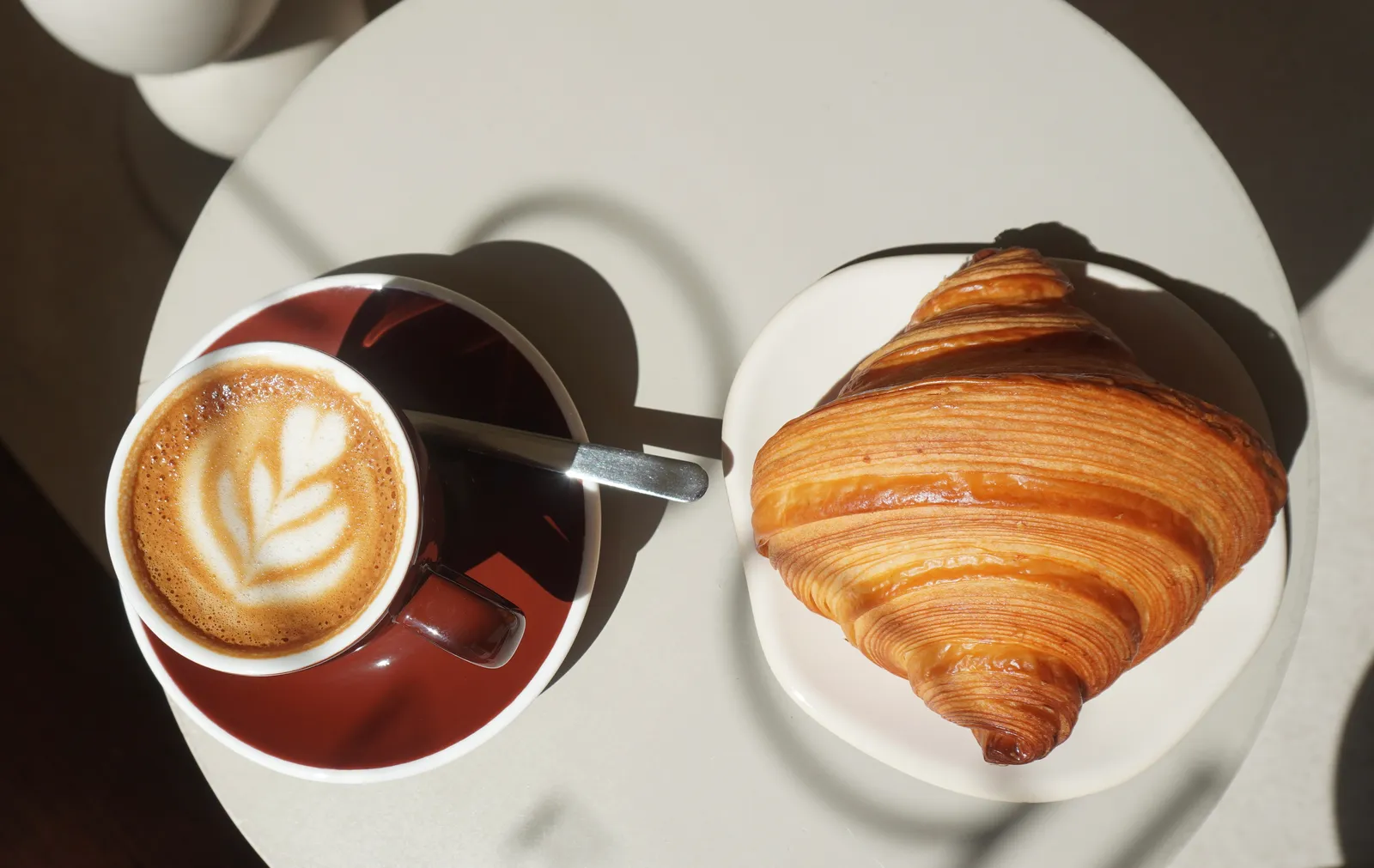
The morning has a quality that no other part of the day has. It belongs, briefly, to you. Before the phone, before the emails, before the world has registered that you are awake. The first cup of coffee is what you do in that window. It is not nothing.
We talk about morning routines as productivity strategies, as sequences of optimised behaviour designed to make the rest of the day more efficient. But the first cup of coffee was never a productivity strategy. It predates that framing by centuries. It is something older and more honest: a small act of intentional pleasure, performed for its own sake, before the day begins asking things of you.
The ritual as a declaration
Every culture that has coffee has a morning ritual around it. The Italian moka pot hissing on the hob while the day is still grey. The Turkish kahve prepared with cold water and heated slowly, no rushing, no shortcuts. The Japanese pour-over, timed to the second, the kettle held at a precise angle. The French press left to steep while you stand at the window.
These are not inefficiencies waiting to be optimised. They are the point. The ritual is the declaration that this morning (this specific Tuesday, this January, this particular light coming through this particular window) is worth being present for. The coffee is the instrument of that presence.
The ritual is the declaration that this morning is worth being present for. The coffee is the instrument of that presence.
What the process gives you
There is something that happens in the preparation of coffee that is not available in the drinking of it. The grinding, the measuring, the waiting: these small sequential acts pull you into the present more effectively than any meditation instruction. You cannot grind coffee beans while thinking about a presentation. You cannot time an extraction while drafting a difficult email. The process demands your actual attention, however briefly, and that attention is what makes the ritual valuable.
Specialty coffee culture understands this instinctively. The shift from instant to filter, from filter to single-origin pour-over, is not only about taste. It is about the recovery of the process, about the decision to take three more minutes and use them well, to hold something warm in both hands and let the morning arrive at its own pace.
Ritual as self-knowledge
How you take your coffee is a small autobiography. The person who drinks it black, quickly, standing at the kitchen counter, is telling a different story from the person who sits with a flat white and a book. Neither is better. Both are acts of self-knowledge: small decisions about what kind of morning you want to have.
The founders we meet almost always describe their ideal café in the language of the morning. A place where you can take your time. Where you can read, or write, or simply sit with something warm and not be rushed. They are not describing a morning routine. They are describing a philosophy: the belief that slowness is not a luxury but a practice, and that the first cup of the day is where that practice begins.
The morning is a choice
There will be mornings when the ritual is reduced to a capsule machine and a paper cup on the way to somewhere urgent. That is fine. The ritual is not a judgement. But on the mornings when you have the choice, when the window is open and the light is good and there is no particular rush, the first cup deserves the time you give it.
Not because it will make you more productive. Not because it will change the outcome of the day. But because there is something quietly subversive about beginning the day with an act of pleasure, taken slowly, for no reason other than that you are alive and the morning is here and the coffee is good. That is reason enough.
More reading
- 01Why Coffee is a Love LanguageOn the quiet ways we use a cup to say the things we do not say out loud
- 02The Intersection of Coffee, Fashion, Art, and CultureOn why the most interesting people always seem to be holding a cup
- 04The Barista as ArtistOn the skill, the theatre, and the deeply misunderstood profession behind every great espresso